
When a slot pauses its usual paytable logic to hand out a stacked multiplier during a defined event, the maths behind it shifts in ways most players never see. As a slot mathematician and game-design consultant who has stress-tested paytables for regional Queensland operators and reviewed cabinet behaviour across multiple jurisdictions, I look at these features as structured probability edits rather than lucky breaks. The focus here is on how slots with special event multiplier mechanics work, what they cost in volatility, and how to read them before you commit a session budget.
Reading the Event Window Before You Spin
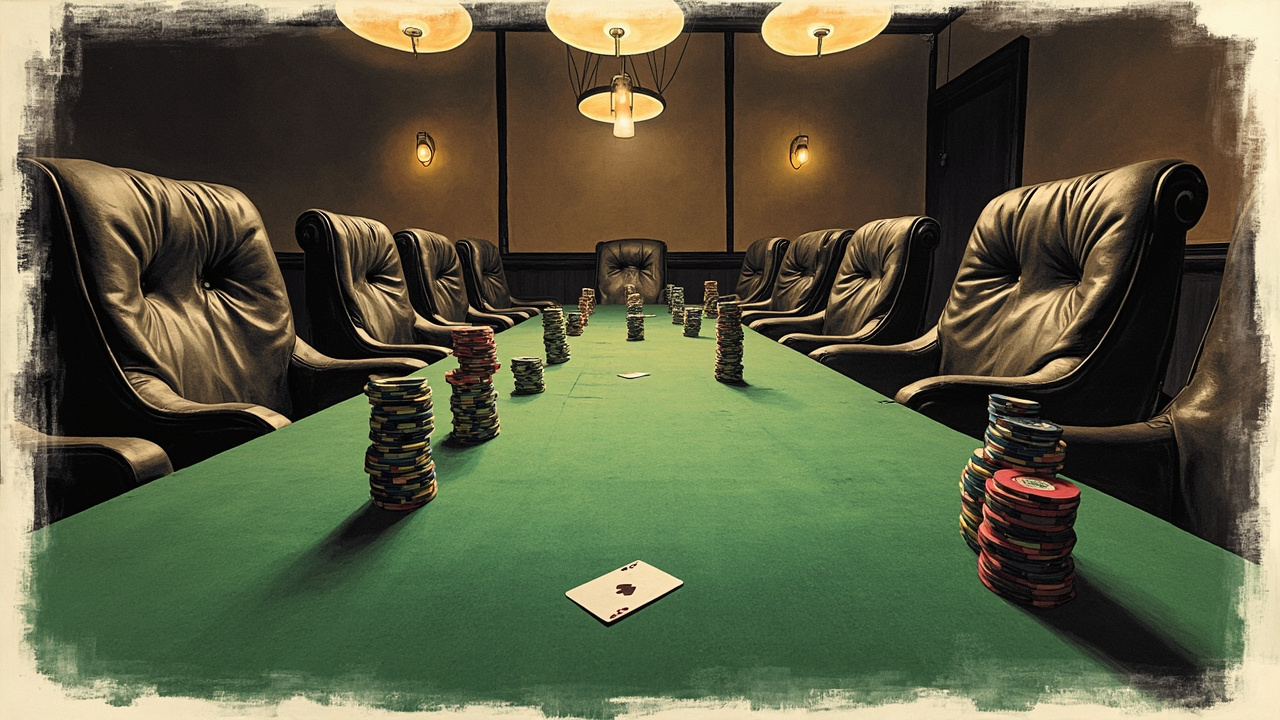
A special event multiplier only earns its name when the trigger is bounded by clear rules. In the cabinets I model for pubs and clubs around Mackay and Townsville, the event usually runs as a timed hold, a reel-lock sequence, or a bonus-screen phase where one or more win lines carry an attached multiplier that persists until the feature ends. The consultant’s view is straightforward: a multiplier that applies to every spin in a bonus round is not the same as one that only applies to wins that already meet a threshold. The first inflates expected value across the round; the second concentrates it on a narrower set of outcomes, which changes both hit frequency and variance.
Overseas, the same idea is often dressed differently. In the UK and parts of Europe, I have seen event multipliers tied to progressive meter fills that reset each session, while some US-style video slots attach the multiplier to a retriggerable free-spin block with a hard cap per round. Down Under, the practical constraint is usually the operator’s need to keep hold percentages stable across a long service window, so the event is often shorter and the multiplier more visible but more bounded. That matters because a flashy multiplier on a pub floor is still governed by the same return-to-player framework as any other feature; the art direction can make it feel larger than the underlying probability edit.
If you want a concrete comparison point from my modelling work, I treat an event multiplier as a conditional modifier on a base hit matrix. Suppose a feature gives a 3x multiplier to all wins during a six-spin window, but only after a specific symbol cluster appears. The consultant call is to check whether that cluster is rare enough to make the window mostly empty, or common enough that the multiplier applies too often and the game’s volatility profile flattens. A flat-looking multiplier can quietly reduce the size of top-end payouts if the base game is tuned to compensate. The art team may show a celebration on screen, but the paytable is doing the real work, and that is where you should direct your attention.
How the Multiplier Interacts With Volatility and Bankroll
What changes in the paytable
When the event starts, the slot is not inventing new symbols; it is reweighting existing outcomes. In the cabinets I audit, the clearest implementations separate the multiplier from the win size so you can see whether a small win becomes meaningful or whether the feature only pays when a larger combination lands. A well-built event multiplier keeps the base hit frequency visible and adds a second layer that activates on a defined subset of results. That design choice matters for bankroll planning because it tells you whether the feature is extending play or concentrating payouts into fewer, larger moments.
From a probability standpoint, the key number is not the multiplier itself but how often the condition that enables it occurs. If the trigger is common, the round feels busy but the average win per spin may not rise much; if the trigger is rare, the round feels quiet until it suddenly is not. I have seen both patterns in games pitched to regional operators, and the ones that hold up over a long service window are usually the ones where the multiplier’s activation rate is transparent in the help screen rather than buried in marketing copy.
How to size a session around it
Treat the event as a separate phase with its own budget rather than as a reason to push the base game harder. A practical approach is to decide the total amount you are willing to commit to a session, split it into the number of spins you want to take, and then decide how many of those spins you would accept being inside an event window before you stop. That is not a way to guarantee a result; it is a way to keep the feature from dictating your pace. In my consultancy work, I ask operators to show players where the event begins and ends, because a feature that starts and stops without a clear visual cue tends to encourage over-extension.
A simple process helps here:
- Set the total session amount you are comfortable using before you load the machine or open the app.
- Decide the number of base spins you will take before you allow the event to influence your pace.
- Note the visible start and end cues for the multiplier phase so you can separate base play from feature play. run4win no deposit bonus
- Stop the session when either the spin count or the event window closes, without treating a late multiplier as a reason to continue.
That sequence keeps the maths in view and stops the art direction from doing all the talking.
Matching the Feature to How You Actually Play
The reason this matters for your play is that event multipliers change the shape of a session more than the headline number suggests. A player who likes frequent small returns may find a tightly bounded event frustrating if the trigger is rare, while a player who tolerates dry stretches may appreciate a multiplier that only lands on larger combinations. My judgement call as a consultant is to prefer games where the event’s activation rule is stated plainly and the multiplier applies in a way that matches the rest of the paytable rather than contradicting it. If the feature promises a big multiplier but the surrounding game is tuned for low variance, the two parts can fight each other and the session can feel uneven. Building a Smarter Roulette Session in
I also look at how the feature behaves on mobile versus the cabinet. On a phone, the same event can feel more intense because the screen is smaller and the animation is tighter, which can make a short multiplier window seem longer than it is. That is not a reason to avoid mobile play; it is a reason to check whether the event timing is identical across devices before you settle into a session. Consistency matters more than spectacle when you are planning a bankroll.
For players comparing options, it helps to read the feature in the same way you would read any other conditional rule in a game: what starts it, what ends it, what it applies to, and what it does not apply to. That reading is what separates a feature that genuinely changes the paytable from one that mostly changes the screen. If you are comparing offers or looking at how a new account is structured before you play, you can also check how a run4win no deposit bonus fits into your first session so you are not sizing the event around an unfamiliar balance.
Verdict
Slots with special event multiplier features are best read as bounded probability edits, not as free upgrades to the base game. The strongest implementations tell you when the event starts, what it applies to, and how it ends, which lets you plan a session around the feature instead of letting the feature plan the session for you. If the activation rule is clear and the multiplier’s scope matches the rest of the paytable, the feature can add a distinct shape to play without hiding the underlying volatility. If the event is vague or the multiplier is advertised louder than the maths supports, treat it as decoration and size your session accordingly.